

Grouting and Structural Repairs 
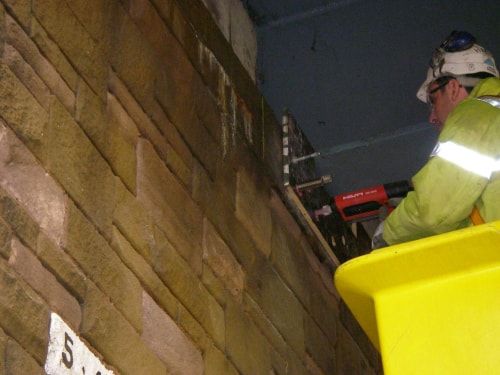
Corecut offer a wide range of Grouting services that range from Machine Base Grouting to the infilling of cavities behind walls tunnel linings, from the lining of tunnel to the bulk infilling of disused sewers. Corecut’s expert Grouting team have even conducted repairs to hydroelectric power stations and reservoirs.
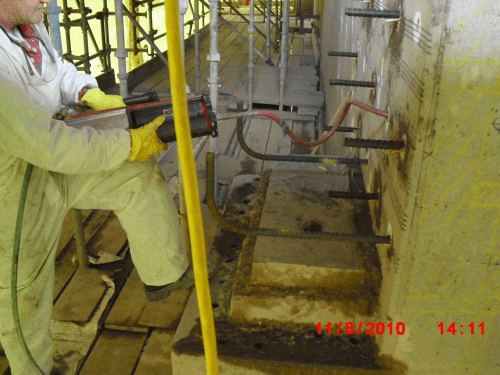
We have successfully completed numerous contracts which have necessitated the exact control of the injection pressures and the use of a range of different grout application methods including high capacity self-contained diesel pumps to compressed air or electric.
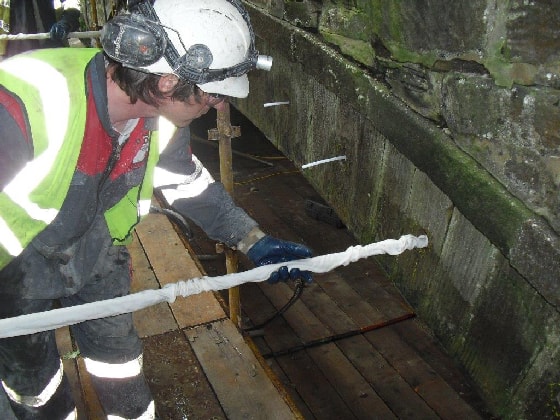
At Corecut we have vast experience of using crack injection techniques to seal fine cracks in a range of materials including concrete and masonry. The crack injection techniques help bind structures, preventing water and dampness from entering structures.
Key Features
-
ALL OUR EQUIPMENT IS SELF-CONTAINED AND FULLY MOBILE
-
EQUIPMENT IS POWERED BY DIESEL, AIR OR ELECTRIC
-
ABILITY TO APPLY A RANGE OF MATERIALS TO SUIT ALL APPLICATIONS
Pressure Pointing
Using a pre-blended mortar and a specially designed pumping system, Corecut’s engineers have repeatedly proven their expertise in the field of pressure pointing from bridges to tunnels, both in masonry and brickwork. Contracts completed have included the sea walls at Rothesay and Dunoon and the harbour wall at Dunbar. All of these projects were carried out in difficult tidal conditions, using an accelerator to ensure complete set of mortar. Joints were first cleaned out with water jets operating at pressures of up to 6000 psi, followed by the new mortar being injected to depths of 300mm into the stonework fabric. The pointing was then struck off to give a finish that blended with the original mortar.
Anchor Installation
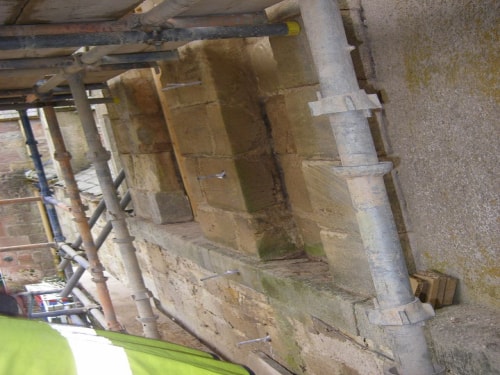
As an approved Cintec Anchor installer we have successfully completed extensive structural repairs on a range of projects including historic buildings and monuments, bridges, tunnels, and harbours, gaining an unparalleled reputation for solving complex challenges of structural preservation.
We also have extensive experience in the supply and installation of conventional mechanical and resin fixings for applications from the fixing of structural steel work to the installation of fall arrest anchors.
Why Choose Corecut?
- Over 45 years’ experience, leading the way for Diamond Drilling in the UK
- Use of the latest and most innovative technology available
- All operators are expertly trained and fully CSCS accredited
- Europe-wide, fully mobile workforce
- Guaranteed 8am next day service UK-wide

May I take this opportunity to thank you all for your efforts during the Christmas and New Year shifts. The works were not easy by any stretch of the imagination, compounded by adverse weather conditions , working away from home and site conditions that were not ideal. We completed the works as far as we could and handed back both possessions on time WITHOUT ANY ACCIDENTS OR INCIDENTS which we should be proud of. We had a couple of high level visits from the client who were content with our efforts and achievements.
Again many thanks and best wishes to you all.
Corecut have recently carried out some critical and difficult work on the above project. We can confirm that they have demonstrated the capabilities for working under pressure and in a safe and professional manner.
Forth Road Bridge
Sub-contracted to assist in the major upgrade of the rocking and rolling steel bearings which support the bridge's structure.
Read More